
Life can be hectic, and many adults struggle with stress, anxiety, and mental clutter. Mindfulness is a simple yet powerful way to regain control over your thoughts, emotions, and daily experiences. By incorporating mindfulness activities for adults into your routine, you can improve focus, emotional resilience, and overall well-being.
The best part? Mindfulness doesn’t require long meditation sessions or special equipment. Even small, practical activities can make a huge difference in your mental and emotional health.
1. Mindful Breathing
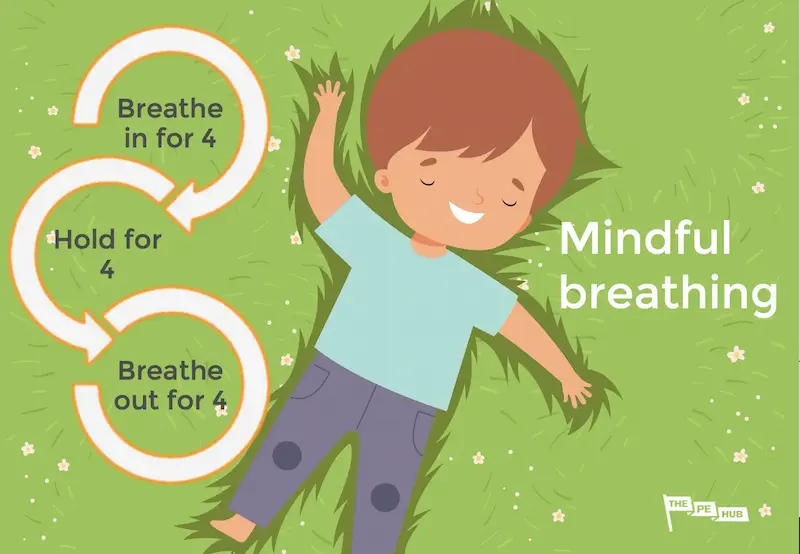
Mindful breathing is one of the easiest and most effective activities for adults. It helps you calm your mind and stay centered.
How to practice:
- Sit or lie comfortably.
- Close your eyes and focus on your breath.
- Inhale deeply through your nose for 4 seconds.
- Hold for 2 seconds.
- Exhale slowly through your mouth for 6 seconds.
- Repeat for 5–10 minutes.
Benefits: Reduces stress, lowers blood pressure, and improves focus.
2. Body Scan Meditation
This activity involves paying attention to different parts of your body to release tension and stay present.
How to practice:
- Lie down comfortably.
- Close your eyes and start from your toes.
- Slowly move your attention upward through your legs, abdomen, arms, shoulders, and head.
- Notice any tension or sensations without judgment.
Benefits: Enhances body awareness, reduces stress, and helps with relaxation.
3. Mindful Walking
Walking can become a meditative activity when done mindfully.
How to practice:
- Walk at a natural pace.
- Pay attention to the movement of your feet and legs.
- Notice your surroundings—the sounds, smells, and sights.
- Breathe naturally and remain fully present.
Benefits: Clears mental clutter, reduces anxiety, and increases focus.
4. Mindful Eating

Many adults eat while distracted, which can lead to overeating and stress. Mindful eating encourages full attention during meals.
How to practice:
- Avoid screens and distractions.
- Observe the colors, textures, and aroma of your food.
- Chew slowly and savor each bite.
- Notice how the food feels and tastes in your mouth.
Benefits: Improves digestion, increases appreciation for food, and promotes healthy eating habits.
5. Journaling and Reflection
Writing down thoughts, emotions, and experiences is a powerful mindfulness activity for adults.
How to practice:
- Set aside 10–15 minutes daily.
- Write about your day, emotions, challenges, or things you’re grateful for.
- Focus on self-reflection without judgment.
Benefits: Increases self-awareness, reduces mental clutter, and promotes emotional clarity.
6. Mindful Stretching or Yoga
Physical activity combined with mindfulness strengthens both the body and mind.
How to practice:
- Perform slow stretches or yoga poses.
- Focus on your breath and sensations in your muscles.
- Avoid rushing and be fully present in each movement.
Benefits: Reduces tension, improves flexibility, and brings mental calmness.
You may also like it:
Find Direction in Life Easily – Step-by-Step Guide
Simple Ways to Build Confidence | Easy Steps for Self-Belief
Mindful Habits for a Calm Life – Daily Practices for Peace
Healthy Lifestyle Habits for Beginners | Start Simple Today
7. Digital Detox or Mindful Technology Use
Adults often feel stressed due to excessive screen time and constant notifications. Mindful use of technology can improve mental clarity.
How to practice:
- Set designated times for checking your phone or emails.
- Take short digital breaks during work.
- Use technology intentionally instead of mindlessly scrolling.
Benefits: Reduces anxiety, improves focus, and restores calm.
8. Mindful Listening
Mindful listening is a simple activity that strengthens relationships and builds empathy.
How to practice:
- When someone speaks, focus entirely on their words.
- Avoid planning your response while they’re talking.
- Observe tone, body language, and emotions.
Benefits: Improves communication, reduces misunderstandings, and promotes presence.
9. Grounding Through the Senses
This quick activity helps adults stay present, especially during stressful moments.
How to practice:
- Notice 5 things you can see.
- Notice 4 things you can touch.
- Notice 3 things you can hear.
- Notice 2 things you can smell.
- Notice 1 thing you can taste.
Benefits: Brings immediate calm, reduces anxiety, and refocuses the mind.
10. Gratitude Practice
Ending or starting your day with gratitude enhances mindfulness and positivity.
How to practice:
- List 3 things you’re grateful for each day.
- Include small, ordinary things as well as big ones.
Benefits: Improves mood, promotes happiness, and encourages mindful awareness of positive aspects of life.
Final Thoughts
Mindfulness activities for adults don’t have to be complicated. By practicing simple habits like mindful breathing, walking, eating, journaling, or listening, you can cultivate calm, reduce stress, and stay present. The key is consistency—small daily activities add up and transform your mental and emotional well-being over time.
Mindfulness is about noticing, appreciating, and living in the present moment. Start small, be patient with yourself, and gradually make these activities part of your daily life.
FAQs – Mindfulness Activities for Adults
1. What are mindfulness activities?
Mindfulness activities are exercises that help adults focus on the present, reduce stress, and increase self-awareness.
2. Can beginners practice mindfulness easily?
Yes. Beginners can start with simple activities like mindful breathing, journaling, or mindful walking.
3. How long should mindfulness activities last?
Even 5–15 minutes per day can make a difference. Gradually, you can extend the duration.
4. Can mindfulness reduce stress and anxiety?
Yes. Mindfulness activities help regulate emotions, calm the mind, and reduce stress.
5. Do mindfulness activities require meditation experience?
Not at all. Many activities, like mindful eating, walking, or journaling, require no prior experience.