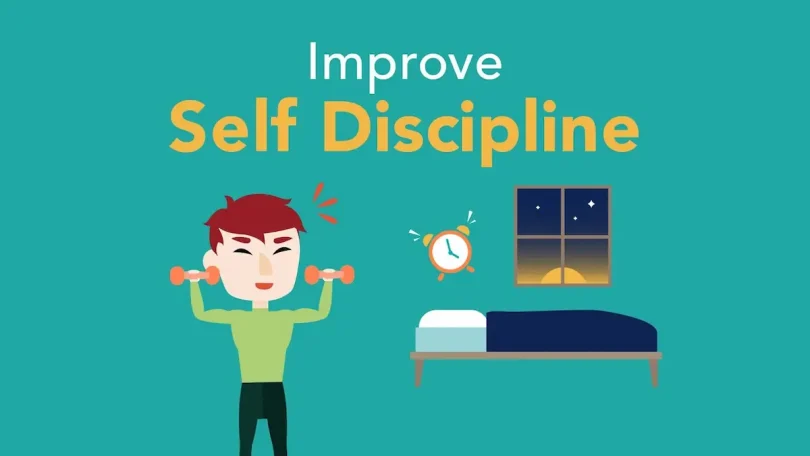

Self-discipline is the foundation of success, whether you want to build good habits, achieve your goals, or simply live a more organized life. Many people believe discipline requires extreme effort or constant motivation, but the truth is far simpler. When you understand how to improve self discipline easily, you learn that small steps, practical routines, and the right mindset can create long-lasting change without overwhelming yourself.
In this article, we’ll explore simple, effective, and realistic ways to boost your discipline and regain control of your actions—one day at a time.
What Is Self-Discipline and Why Does It Matter?

Self-discipline is your ability to stay focused, stick to your commitments, and avoid distractions. It’s the skill that helps you choose what is right instead of what is easy. When you know how to improve self discipline easily, achieving your goals becomes less stressful and more manageable.
Why Self-Discipline Is Important
- It helps you stay committed to personal and professional goals.
- It builds consistency, which is the key to long-term success.
- It increases confidence and reduces procrastination.
- It creates healthier routines and positive habits.
How to Improve Self Discipline Easily – Practical Ways That Work
Below are simple and realistic strategies anyone can use, no matter their lifestyle.
1. Start Small Instead of Forcing Big Changes
Many people fail because they try to change everything at once. To understand how to improve self discipline easily, start with tiny, manageable steps.
- Read for 5 minutes instead of 30.
- Walk for 10 minutes instead of 1 hour.
- Clean one corner of your room instead of the entire house.
Small wins build confidence and make discipline feel natural.
2. Set Clear and Specific Goals
Vague goals lead to confusion, but specific goals create direction.
Instead of saying, “I want to be productive,” try:
- “I will study for 20 minutes every morning.”
- “I will drink 2 glasses of water after waking up.”
Clear goals make it easier to stay disciplined because you always know what to do next.
3. Remove Distractions from Your Environment
If you want to learn how to improve self discipline easily, start by controlling your surroundings.
- Put your phone in another room while working.
- Turn off unnecessary notifications.
- Keep your workspace clean and organized.
A distraction-free environment pushes you toward focus automatically.
4. Build a Simple Daily Routine
A routine reduces decision fatigue and helps your brain switch to “discipline mode” naturally.
Try adding small habits to your day:
- Morning hydration
- A short workout
- Reading before bed
- Planning your tasks every night
When your day has structure, discipline becomes effortless.
5. Use the 2-Minute Rule
If a task takes less than 2 minutes, do it immediately.
This powerful rule helps you avoid procrastination and keeps your mind clear.
Examples:
- Replying to a simple email
- Making your bed
- Putting dishes in the sink
This tiny habit improves discipline without requiring major effort.
You may also like it:
Find Direction in Life Easily – Step-by-Step Guide
Simple Ways to Build Confidence | Easy Steps for Self-Belief
Mindful Habits for a Calm Life – Daily Practices for Peace
Healthy Lifestyle Habits for Beginners | Start Simple Today
6. Track Your Progress Daily
Keeping a simple checklist or journal can boost motivation.
When you track your habit streak, your brain wants to keep it going.
Use:
- A paper notebook
- A habit-tracking app
- Sticky notes on your wall
Tracking your progress gives you instant reward and clarity.
7. Reward Yourself for Small Achievements
Discipline doesn’t mean being strict all the time.
Rewarding yourself keeps you motivated and makes the journey enjoyable.
Examples:
- Watch your favorite show after completing your tasks.
- Enjoy a treat after finishing your workout.
- Take a break after hitting your daily goals.
Rewards create positive reinforcement and help you learn how to improve self discipline easily without feeling burned out.
8. Be Consistent, Not Perfect
You will have lazy days—it’s normal.
But what matters is that you get back on track quickly.
Even if you miss one day, don’t quit. Continue the next day as if nothing happened.
Consistency builds discipline faster than perfection.
9. Surround Yourself with Motivated People
Your environment influences your behavior.
Spend more time with people who are productive, goal-oriented, or disciplined.
Their habits will naturally inspire you and push you to stay committed.
10. Practice Self-Compassion
Many people lose discipline because they are too hard on themselves.
Instead of feeling guilty, remind yourself:
- “I’m learning.”
- “I’m improving every day.”
- “Progress takes time.”
Kindness to yourself makes discipline easier to follow.
Final Thoughts
Understanding how to improve self discipline easily is all about taking small, steady steps toward better habits. You don’t need to force yourself or rely on constant motivation. Simple routines, clear goals, reduced distractions, and consistent effort can help you develop strong discipline with ease.
Start today with one tiny step. Over time, those steps will shape your mindset, routine, and life.
FAQs – How to Improve Self Discipline Easily
1. What is the easiest way to improve self-discipline?
The easiest way to improve self-discipline is to start small. Focus on tiny habits, reduce distractions, and follow simple routines. These small steps make discipline easier and more natural.
2. How can I stay consistent with self-discipline?
Stay consistent by setting clear goals, tracking your progress, and rewarding yourself for small achievements. Consistency grows when you follow realistic daily routines.
3. How long does it take to build self-discipline?
It varies from person to person, but with small daily habits, many people start noticing improvement within 2–3 weeks. The key is to stay patient and avoid giving up.
4. Can self-discipline be learned at any age?
Yes, absolutely. Anyone can learn how to improve self discipline easily at any age by practicing simple strategies and staying committed to personal growth.
5. What should I do if I lose motivation?
If you lose motivation, return to your routine, break tasks into smaller steps, and eliminate distractions. Sometimes taking a short break also helps reset your focus.