
Many people struggle with feeling lost, uncertain, or unmotivated in life. Without clarity, it’s easy to drift from one decision to another, wasting time, energy, and potential. However, finding direction in life doesn’t have to be overwhelming. With reflection, structured exercises, and consistent action, anyone can gain clarity, confidence, and purpose.
This guide provides a step-by-step approach to find direction in life easily, helping you align your goals, passions, and values with actionable steps to create a meaningful life.
1. Reflect on Your Passions and Interests
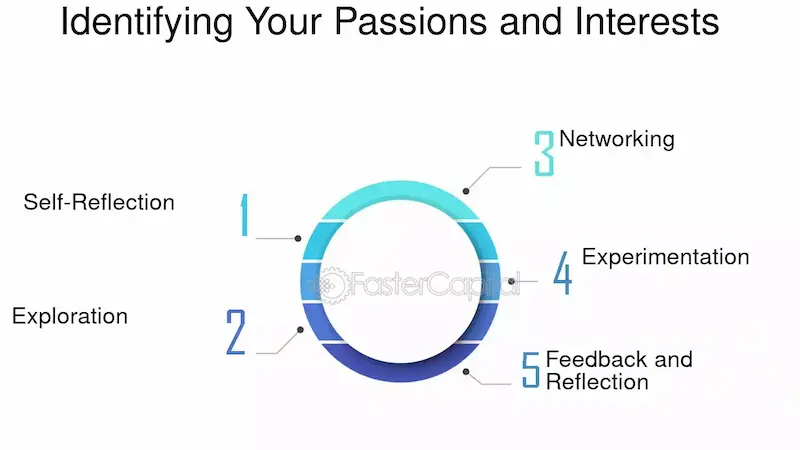
Passions act as a compass, pointing you toward what truly matters.
How to Practice:
- Daily Journaling: Spend 10–15 minutes writing about what activities make you feel energized and happy.
- Childhood Reflection: Recall hobbies or subjects you loved as a child—they often reflect natural inclinations.
- Passion List: Make a comprehensive list of topics, activities, or causes that excite you.
Example: If you enjoy helping friends learn new skills, teaching or mentoring might be a key part of your purpose.
Benefit: Identifying passions highlights areas of life where your energy and commitment naturally flow.
2. Identify Your Strengths and Skills
Your strengths show where you can excel and make a meaningful impact.
How to Practice:
- List all your skills and talents, including soft skills like empathy or problem-solving.
- Ask trusted friends, colleagues, or mentors: “What do you think I do best?”
- Review past successes—what skills contributed to achieving them?
Example: If you naturally organize events and enjoy logistics, your purpose may involve planning, leadership, or coordination roles.
Benefit: Recognizing your abilities allows you to focus on opportunities where you can shine and make a difference.
3. Clarify Your Core Values
Values are the principles that guide your decisions and define what matters most.
How to Practice:
- List 5–10 core values, such as integrity, growth, creativity, or service.
- Reflect on times when you felt proud, fulfilled, or completely aligned with yourself.
- Compare your current lifestyle and choices to your values—identify gaps or misalignments.
Example: If helping others is a core value, you might feel fulfilled in service-oriented careers or volunteering.
Benefit: Aligning with your values ensures that your path feels authentic and satisfying.
4. Visualize Your Ideal Life
Visualization helps you see the life you want and the direction you should take.
How to Practice:
- Close your eyes and imagine your life 5–10 years from now. Consider:
- Where are you living?
- What are you doing daily?
- How do you feel emotionally, mentally, and physically?
- Where are you living?
- Note recurring themes, like teaching, creativity, travel, or leadership.
- Use insights from visualization to guide present actions and decisions.
Example: Visualizing yourself traveling the world while creating art could indicate a purpose in creative pursuits or freelancing.
Benefit: Visualization gives clarity and motivation, helping you take aligned action.
You may also like it:
Simple Daily Mindfulness Practices for a Calm Lifestyle
Emotional Growth Tips for Beginners | Strengthen Yourself
Purpose Coaching Tips for Beginners | Live with Clarity
Habits to Improve Mental Wellness | Simple Daily Practices
5. Set Achievable and Meaningful Goals
Goals provide structure and turn abstract desires into actionable steps.
How to Practice:
- Write down short-term (3–6 months) and long-term (1–5 years) goals aligned with your passions and values.
- Use the SMART framework (Specific, Measurable, Achievable, Relevant, Time-bound).
- Break goals into smaller tasks to maintain momentum and avoid feeling overwhelmed.
Example: If your goal is to improve physical and mental health, start with a 30-minute daily exercise routine and a mindfulness practice.
Benefit: Goals provide direction and measurable progress on your life path.
6. Take Consistent Action
Direction emerges through action, not just reflection.
How to Practice:
- Start experimenting with projects, hobbies, or career opportunities aligned with your interests.
- Track what activities energize you and which feel draining.
- Adjust your actions based on feedback from experiences.
Example: Volunteering at a local nonprofit may reveal that working in community development feels more rewarding than your current job.
Benefit: Real-world experiences provide insights that theoretical reflection alone cannot.
7. Listen to Your Inner Voice
Intuition often guides you toward choices aligned with your authentic self.
How to Practice:
- Spend 10–15 minutes daily in meditation, mindfulness, or quiet reflection.
- Pay attention to moments of calm, excitement, or alignment when considering options.
- Write down intuitive nudges or feelings to track patterns over time.
Example: Feeling a sense of peace when helping others might indicate that service-oriented work aligns with your purpose.
Benefit: Inner guidance ensures your decisions reflect what truly matters to you.
8. Seek Guidance and Mentorship
Learning from experienced individuals accelerates clarity.
How to Practice:
- Find mentors, coaches, or role models whose paths inspire you.
- Ask for guidance, feedback, and actionable strategies.
- Attend workshops, seminars, or courses related to your interests.
Example: A mentor in entrepreneurship can provide insight if you’re exploring starting your own business.
Benefit: Mentorship provides perspective, support, and accountability as you find your direction.
9. Regularly Review and Adjust Your Path
Finding direction is a dynamic, ongoing process.
How to Practice:
- Reflect weekly or monthly on your goals, actions, and feelings.
- Adjust your plans and actions based on new insights or experiences.
- Stay flexible—direction may evolve as you grow and learn.
Example: If a new passion emerges, integrate it into your goals and adjust your path accordingly.
Benefit: Continuous review ensures your life path remains aligned with your authentic self.
10. Document Your Journey
Keeping track of reflections, insights, and lessons reinforces clarity.
How to Practice:
- Maintain a journal to record goals, experiences, challenges, and learnings.
- Revisit past entries to notice patterns and recurring themes.
- Use your documented insights to refine your life purpose and direction.
Benefit: Documentation creates a tangible roadmap and strengthens self-awareness.
Final Thoughts
Finding direction in life doesn’t have to feel overwhelming. By reflecting on your passions, identifying strengths, clarifying values, visualizing your ideal life, setting goals, taking action, listening to your intuition, seeking mentorship, reviewing progress, and documenting insights, you can find direction in life easily.
Remember, life is a journey, not a destination. Direction emerges gradually as you explore, act, and reflect. Start today with small steps, and your path will become increasingly clear and fulfilling.
FAQs – Find Direction in Life Easily
1. What does it mean to find direction in life?
Finding direction in life means gaining clarity about your goals, values, passions, and actions so you can make intentional choices and live purposefully.
2. Who can benefit from learning how to find direction in life easily?
Anyone feeling lost, stuck, unmotivated, or seeking clarity in personal or professional life can benefit from these strategies.
3. How can beginners find direction in life easily?
Start by reflecting on your passions, identifying strengths, clarifying values, visualizing your ideal life, setting goals, taking action, and seeking guidance.
4. How long does it take to find direction in life?
It varies by individual. Some gain clarity quickly, while others may need weeks or months of reflection and experimentation.
5. Can small daily actions help me find my direction?
Yes. Small, consistent actions like journaling, goal-setting, and experimenting with new activities gradually reveal what resonates with you.