

Your mindset is the lens through which you see the world. It affects how you perceive challenges, handle stress, make decisions, and pursue goals. A positive and growth-oriented mindset can help you overcome obstacles, stay motivated, and achieve success in every area of life. The good news is that mindset is not fixed—you can improve it with consistent effort and practice.
If you’re ready to transform your thinking, these steps to improve your mindset will guide you toward lasting growth, resilience, and clarity.
1. Cultivate Self-Awareness

Self-awareness is the foundation of any mindset shift. You can’t change what you don’t understand.
- Take note of your daily thoughts, feelings, and reactions.
- Identify patterns in your thinking that may limit you, such as self-doubt or fear of failure.
- Ask reflective questions: “Why did I react this way?” or “Does this thought serve me or hold me back?”
Journaling or using a voice recorder to reflect on your emotions can help you track progress over time.
2. Embrace a Growth Mindset
A growth mindset, a concept popularized by psychologist Carol Dweck, is the belief that your abilities and intelligence can be developed through effort and learning.
- Replace “I can’t do this” with “I can improve if I practice.”
- View mistakes as learning opportunities rather than failures.
- Celebrate effort, perseverance, and progress—not just results.
This mindset shift encourages resilience, adaptability, and motivation to tackle challenges head-on.
3. Practice Daily Gratitude
Gratitude rewires your brain to focus on the positive aspects of life, reducing stress and negativity.
- Write down 3–5 things you are grateful for each day.
- Reflect on small wins, like completing a task or helping someone.
- Appreciate lessons in challenges and setbacks.
Over time, gratitude increases optimism, reduces anxiety, and strengthens emotional resilience.
4. Challenge Negative Thoughts
Negative thinking can silently sabotage your mindset. Learning to identify and replace these thoughts is crucial.
- Notice when you think: “I can’t do this” or “I always fail.”
- Reframe with constructive thoughts: “I will take one step at a time” or “I can learn from this experience.”
- Focus on solutions rather than problems.
Regularly practicing this habit helps train your brain to lean toward positive, growth-oriented thinking.
5. Surround Yourself With Positive Influences
Your environment has a huge impact on your mindset. The people, content, and experiences you expose yourself to shape your thoughts and emotions.
- Spend time with optimistic, supportive, and inspiring people.
- Engage with uplifting books, podcasts, or videos.
- Limit exposure to negativity, gossip, or toxic influences.
Positive surroundings reinforce constructive thinking patterns and keep your mindset strong.
You may also like it:
Find Direction in Life Easily – Step-by-Step Guide
Simple Ways to Build Confidence | Easy Steps for Self-Belief
Mindful Habits for a Calm Life – Daily Practices for Peace
Healthy Lifestyle Habits for Beginners | Start Simple Today
6. Set Clear Goals and Visualize Success
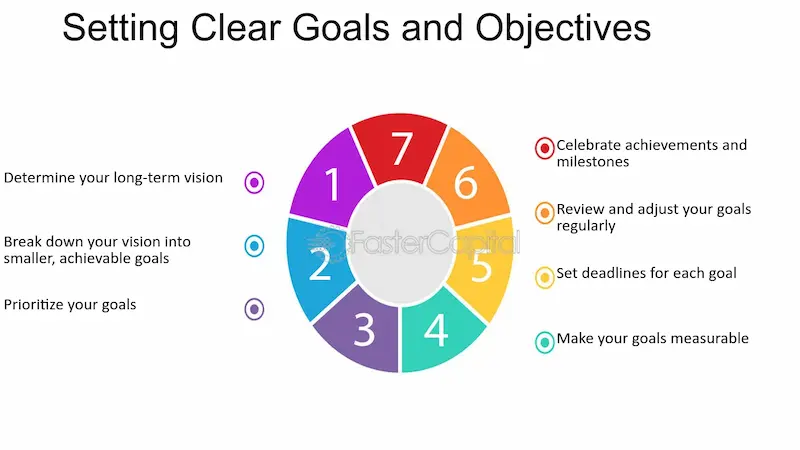
Goals give your mindset direction and purpose, making it easier to stay motivated.
- Define specific, measurable, and realistic goals for personal, professional, or emotional growth.
- Break larger goals into smaller steps to avoid feeling overwhelmed.
- Visualize yourself achieving these goals regularly to strengthen belief in your abilities.
Visualization activates your mind and aligns your actions with your desired outcomes.
7. Practice Mindfulness and Meditation
Mindfulness helps you stay present, reduces stress, and improves emotional control.
- Dedicate 5–15 minutes daily to meditate or practice mindful breathing.
- Observe your thoughts without judgment—don’t try to suppress them.
- Use mindfulness techniques to pause before reacting emotionally to situations.
Over time, mindfulness creates a calmer, clearer, and more focused mindset.
8. Take Care of Your Physical Health
Your mind and body are deeply connected. A strong, healthy body supports a strong, focused mindset.
- Exercise regularly to boost mood, energy, and resilience.
- Eat balanced, nutritious meals to fuel your brain.
- Prioritize quality sleep to restore mental clarity and focus.
When your body feels good, your mind naturally becomes more positive and productive.
9. Commit to Continuous Learning
Learning keeps your mind flexible, curious, and adaptable—key traits for a strong mindset.
- Read books, attend workshops, or take online courses.
- Learn from experiences, feedback, and mistakes.
- Challenge yourself to acquire new skills regularly.
Continuous learning strengthens your confidence, decision-making, and problem-solving abilities.
10. Practice Patience and Persistence
Mindset improvement is a gradual process, and it requires both patience and consistency.
- Accept that setbacks are part of the journey.
- Keep practicing positive habits even when progress feels slow.
- Celebrate small improvements along the way to reinforce motivation.
Persistence ensures that your mindset becomes more resilient and growth-oriented over time.
11. Reflect Regularly
Reflection helps you understand what’s working and what needs adjustment in your mindset.
- At the end of each week, review your thoughts, behaviors, and decisions.
- Ask: “What went well?”, “What could I improve?”, “How can I handle this better next time?”
- Adjust your habits and strategies based on these reflections.
Reflection is a powerful tool for long-term personal growth.
Final Thoughts
Improving your mindset is a journey, not an overnight change. By following these steps to improve your mindset, you can gradually replace limiting beliefs with positive, growth-oriented thinking. Start with one or two habits today, practice consistently, and over time, you will notice a transformation in your thoughts, behavior, and overall life perspective.
FAQs – Steps to Improve Your Mindset
1. What are simple steps to improve your mindset?
Simple steps include practicing self-awareness, embracing a growth mindset, staying positive, setting goals, practicing mindfulness, and learning continuously.
2. How long does it take to improve mindset?
Mindset improvement varies per person. With consistent practice, small positive changes can be noticed within weeks, while deeper shifts take months.
3. Can mindset affect success?
Yes. A positive, growth-oriented mindset helps you handle challenges better, make smarter decisions, and stay motivated to achieve your goals.
4. How can beginners start improving their mindset?
Start with small daily habits like journaling, mindful breathing, practicing gratitude, setting goals, and reflecting on thoughts and behaviors.
5. Why is a growth mindset important?
A growth mindset helps you embrace challenges, learn from mistakes, and believe in your ability to improve, which is essential for personal and professional growth.